


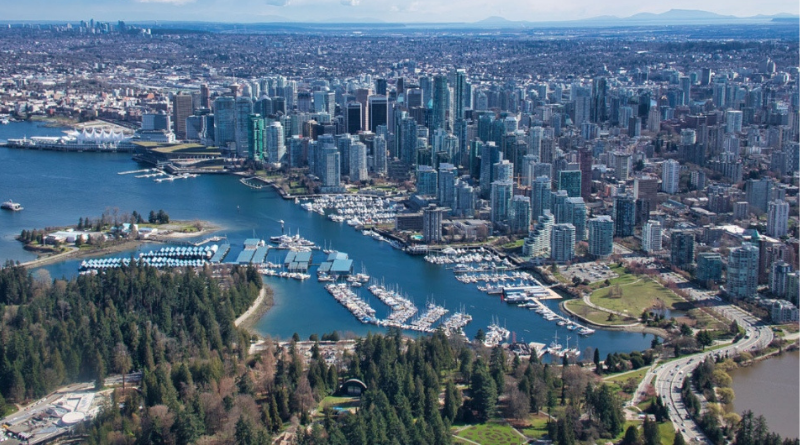
The shortage of real estate means a significant increase in housing prices expected to occur in the first six months of 2022, says B.C. Housing Association.
Real estate sales are projected to decline by 17 percent by 2022 after a year of record highs, says B.C. The Real Estate Association (BCREA) on Wednesday – and that, the project of a group representing traders, will only lead to higher housing costs.
Strong real estate sales are expected to continue in the first few months of 2022. But with limited provision, prices are expected to rise 8.5 percent by 2022, with significant increases occurring in the first six months of the year, says BCREA, in addition to representing more than 24,000 realtors in the province, producing economic research.
“We were expecting real estate sales by 2022 to decline from the pace of 2021,” BCREA economist Brendon Ogmundson said in a statement. “However, sales activity will remain high by historical standards.”
By 2023, the supply of real estate is expected to increase as more units are built. That will reduce the rise in the price of residential real estate to 2.7 percent of expectations.
The provincial housing forecast comes as the Real Estate Board of Greater Vancouver (REBGV) revealed that real estate sales fell 4.4 percent last year in January compared to the same period in 2021.
The newly listed combined, attached and residential buildings declined 6.9 percent last month compared to January 2021, down to 4,170 across Metro Vancouver.
“Our inventory listing at (Multiple Listing Service) is less than half of what it would be best to start the year. As a result, prospective home buyers have limited options in the market today,” REBGV economist Keith Stewart said in a written statement.
MESSAGE “DATA”
Claims that housing in the region are in line with demand prompted some experts to scratch their heads.
In a recent blog post this week, data analyst Jens Von Bergmann and University of British Columbia sociologist Nathanael Lauster challenged the notion that supply chain is in demand in a city like Vancouver.
The lawsuit, filed by UBC city planner founder Patrick Condon, suggests that between 2010 and 2016, 55,000 new units were built in Vancouver City and that at the same time, an almost equal number of people were added to the population. .
For two people per unit, that means availability is twice the demand, write Bergmann and Lauster.
Explaining the notion that the provision of housing in Vancouver has been in line with demand as a “data burden,” Bergmann and Lauster said the combined numbers come from several sources: merging double frames, counting building starts before it is completed, looking at demolition. taking into account the reduction in the size of the homes, which need to add additional homes to meet the needs of the current residents.
That was not always the case, Bergmann said. When asked on Twitter to compare the rate of completion of new housing from the 1970s to the last decade, the data expert found an important gap.
Compared to 2010, he wrote, in the 1970’s, 66 percent of housing projects were completed by 1,000 people.
“In total, we had an average graduation rate of 18,693 per year in 2010,” writes Bergmann, “if we were building (at the same rate) in the 70s, it would have been 31,130.
“In those 10 years, that’s a difference of 125,000 units.”
‘INTERNAL HOUSING OPTIONS’ ON THE ROAD
Last week, Vancouver Mayor Kennedy Stewart’s won the support of enough councilors to approve his “home building” plan, which allows up to six homes in one family area. It had previously failed in 2020.
“There is nothing like this in Canada right now – I know there are a lot of eyes on this,” Stewart Jan said. 26, suggesting that the full adoption of the program could lead to the construction of 10,000 houses.
The world. Colleen Hardwick, one of the two councilors who voted to oppose most of the 18 proposals for the program, asked the mayor about what she described as a comprehensive marketing campaign including advertising on the radio, to get more support from the council.
Hardwick said the redevelopment would increase land prices, leading to increased speculation and “demolition of existing affordable housing.”
Stewart wants a program aimed at families earning $ 80,000 or less a year and looking to buy a home.
About Jasmohan Singh Bains
This blogs provides the latest breaking news and videos directly from the Real Estate industry including news and reports on the Real Estate market vision, analysis, education, arts promotion and law enforcement information.
