


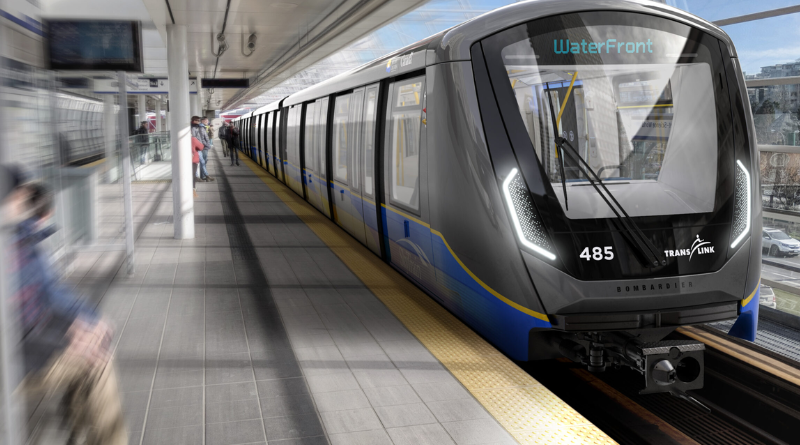
In a move that’s sure to surprise many, Vancouver’s TransLink has announced that it will be getting into the real estate business. With fewer people taking transit due to the pandemic, the transit authority is looking for new ways to generate revenue – and it seems that real estate may be the answer.
While some may see this as an unusual move, TransLink is confident that it can make a success of its new venture. So, if you’re thinking of buying a property in Vancouver, keep an eye out for developments from TransLink – you might just find your perfect home!
In recent years, Vancouver’s public transit system, TransLink, has been facing declining ridership. In response to this trend, TransLink has decided to get into the real estate business.
The agency has been working with developers to build mixed-use projects near transit stations. These projects would include residential, office, and retail space. The hope is that by creating more development near transit stations, more people will be encouraged to use public transit.
So far, TransLink has been involved in the development of two projects: a 36-storey tower near the Main Street SkyTrain station and a 28-storey tower near the Commercial-Broadway SkyTrain station. Both projects are currently in the planning stages.
What do you think of TransLink’s new real estate venture? Do you think it will be successful in increasing ridership?
The rationale behind the move
As Vancouver’s public transit system, TransLink is responsible for providing affordable and efficient transportation options for residents and visitors. In recent years, however, ridership has been declining, resulting in a decrease in revenue. To make up for the shortfall, TransLink has decided to get into the real estate business.
The move may seem strange at first, but there is a logic behind it. By owning and developing property near transit stations, TransLink can generate additional income that can be used to improve the system and make it more attractive to riders. In addition, by working with private developers, TransLink can help create vibrant, mixed-use neighbourhoods that are more appealing to people of all ages and lifestyles.
So far, the results have been promising. The first project, known as the Station House development in Burnaby, is already complete and has been well received by the community. TransLink is now planning similar projects in other areas of Metro Vancouver, and we hope that they will help to increase ridership and create a more sustainable transit system for our region.
What this could mean for Vancouver’s transit system
There has been a lot of talk recently about Vancouver’s TransLink getting into the real estate business. While this may be a good move for the transit system, it is important to consider what this could mean for Vancouver as a whole.
With fewer people taking transit, the need for expanded transit services will be greater. This could lead to higher fares and/or longer wait times for those who do take transit. Additionally, if TransLink is successful in its real estate ventures, it could lead to increased traffic congestion as more people use cars to get around.
Only time will tell how this will all play out, but it is important to keep an eye on how TransLink’s real estate ventures could impact Vancouver’s transit system (and city) as a whole.
The potential risks of the venture
TransLink, Vancouver’s transit authority, is getting into the real estate business. The move could help the cash-strapped agency generate revenue and fund transit projects, but it also comes with risks.
Critics say the move could lead to TransLink becoming a property development company, rather than a transit agency. They worry that TransLink will prioritize making money from real estate ventures over providing efficient and affordable transit service.
There are also concerns that the agency could use its power to eminent domain to take over private property for development projects. This could displace residents and businesses, and lead to gentrification in Vancouver’s already expensive housing market.
TransLink says it will carefully consider all of these concerns as it moves forward with its real estate plans. It remains to be seen whether the agency can strike the right balance between generating revenue and serving the needs of Vancouver’s transit riders.
Conclusion
In a move that is sure to surprise many, Vancouver’s TransLink has announced that it is getting into the real estate business. With fewer people taking transit due to the pandemic, TransLink is hoping that this will be a way to generate additional revenue. Only time will tell if this is a smart move or not, but it certainly shows that TransLink is willing to think outside the box in order to keep Vancouver’s transit system running.
